
Mold Removal & Remediation
Mold is a moisture problem as much as it's a mold problem. Treating the surface without fixing the source is a temporary fix. Lubbock TX Handyman handles mold removal and the underlying moisture issues that cause it — with a written estimate before any work begins.
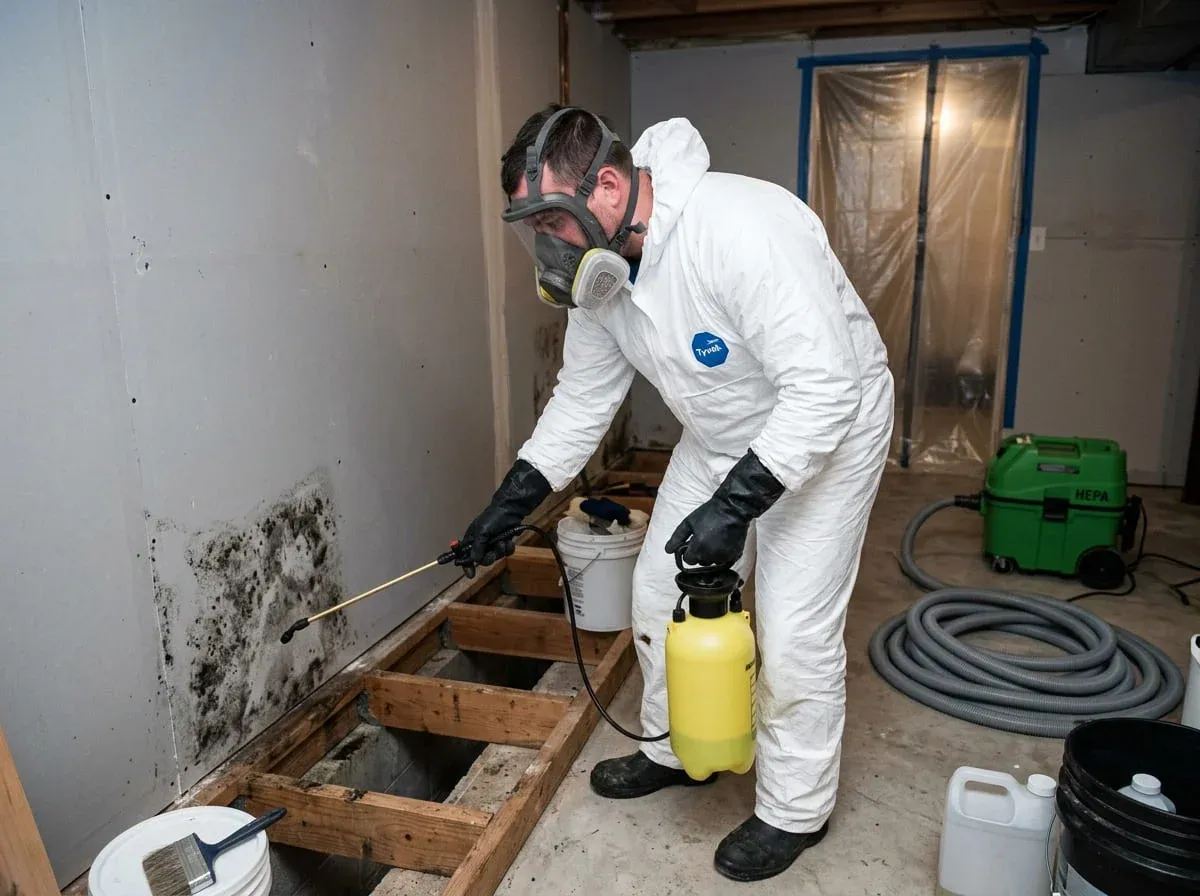
Remediation that removes the mold and addresses what caused it.
Mold grows where moisture accumulates — behind tile in poorly ventilated bathrooms, in crawl spaces without vapor barriers, in attics where exhaust fans vent incorrectly, and in walls where a slow plumbing leak has gone undetected long enough. In Texas, especially along the Gulf Coast corridor where ambient humidity is already high, the conditions for mold growth exist in almost every home to some degree.
The difference between a mold problem that stays contained and one that spreads is usually how quickly the moisture source is found and fixed. Surface cleaning without addressing the source is a temporary fix that gives mold time to re-establish itself in the same location or spread to adjacent areas.
Lubbock TX Handyman's mold remediation process starts with a thorough inspection to identify the full extent of growth and the likely moisture source. Affected materials are removed — not just surface-treated — and the space gets an antimicrobial treatment after drying. When drywall or other materials need replacement after removal, that scope gets completed so the affected area is fully restored.
What's included
Crawl space and attic mold — the two locations most often missed
Most homeowners discover mold in visible areas first — a bathroom corner, a ceiling stain. But in Texas homes, crawl space and attic mold are frequently more extensive than anything visible inside the living space. Crawl spaces without proper vapor barriers accumulate ground moisture continuously. Attics with improperly terminated bathroom exhaust fans, or inadequate ridge and soffit ventilation, can develop mold on the underside of the decking without showing any interior sign for months.
Both locations require proper containment during remediation — spores disturbed during removal can spread to the living space if the work area isn't sealed off and put under negative air pressure first.
Flood-related mold — the timeline matters
Mold can begin growing on wet building materials within 24–48 hours of a flood or water intrusion event. In the Gulf Coast region, where events like Hurricane Harvey left standing water in homes for days or weeks, the mold growth that followed was often substantial by the time drying was complete — and much of it was inside wall cavities rather than on visible surfaces.
For any home that experienced flooding or significant water intrusion, a professional mold inspection is worth doing even if no visible growth is present. What's inside the walls doesn't become visible until the growth has already spread.
From first call to clean, restored surfaces.
Call & describe
Tell us what you've seen — visible mold, a musty smell, water damage, or a recent flood. Location in the home and any known moisture history helps us assess faster.
Inspection & estimate
A thorough inspection identifies the mold extent, the likely moisture source, and the full remediation scope — with a written estimate before any work starts.
Containment & removal
Affected areas are contained with plastic sheeting and negative air pressure. Mold-bearing material is removed and disposed of properly, never just treated in place.
Prevention & repair
The moisture source gets addressed, the clean surface gets an antimicrobial treatment, and drywall or other removed materials get repaired and finished.
Frequently Asked Questions
How do I know if I have black mold in my home?
Visible black or dark green growth on walls, ceilings, or in corners — especially in bathrooms, basements, or areas that have had water damage — is the clearest sign. A persistent musty or earthy smell in a room, even without visible growth, often indicates mold growing inside walls, in ductwork, or under flooring. A professional inspection is the only reliable way to determine extent and species.
Can I clean up mold myself, or do I need professional remediation?
Small surface mold spots (under 10 square feet) on non-porous materials like tile or glass can often be cleaned with appropriate solutions. But mold that has reached porous materials — drywall, insulation, wood framing, carpet — can't be cleaned off the surface and needs to be removed. Any mold that followed a flood or water intrusion event should be professionally assessed, because the extent is rarely limited to what's visible on the surface.
What causes mold to keep coming back after it's been cleaned?
The moisture source wasn't addressed. Mold is a symptom of a moisture problem, not the root problem itself. Cleaning the visible mold without fixing the underlying cause — a slow pipe leak, poor ventilation, missing vapor barrier in a crawl space, or inadequate exhaust in a bathroom — just creates conditions for the next growth cycle. Proper remediation always addresses the moisture source, not just the mold.
Does homeowner's insurance cover mold removal in Texas?
It depends on the cause. Mold that resulted from a sudden, covered water event — like a burst pipe or storm flooding covered under your policy — is typically covered. Mold from long-term neglect, gradual leaks, or repeated moisture exposure is usually excluded. The key is documentation: what caused the moisture, when it started, and what the extent is. A professional written assessment helps make the case to your insurer.
How long does mold remediation take?
A small, contained area (under 10 square feet) can be remediated in a single day. A full room with mold in the walls typically takes 2–3 days for removal, treatment, and drying. Larger jobs — crawl spaces, attics, or multiple affected rooms — take 3–5 days or more depending on extent. You'll get a specific timeline in your written estimate.
Mold Removal in your city.
Every town puts a different kind of wear on a home. These pages cover what the job actually involves in each city — the local soil, climate, and housing stock included.
Don't see your town? See all service areas or ask about your address.
Mold doesn't get better on its own. Get it assessed now.
Free written estimates, moisture source inspection included, and remediation that addresses the cause — not just the symptom.